
Holland, Michigan Cost of Living — Complete 2026 Guide
One of the most common questions we get from buyers relocating to Holland, Michigan is: "What does it actually cost to live there?" It's a fair and important question — and the answer is more nuanced than a single index number. Holland's cost of living is meaningfully below the national average in most categories, with housing being the primary driver of costs above what buyers from lower-cost markets might expect. This guide breaks down every major cost category with current 2026 data.
Holland Cost of Living — 2026 Snapshot
| Category | Holland vs. National Average | Notes |
|---|---|---|
| Overall Cost of Living | 5–7% below national average | BestPlaces score: 94.3 |
| Housing (own) | 9% below national average | Median home: $374,450 |
| Housing (rent) | 4.3% below national average | Avg. rent: ~$1,369/mo |
| Groceries | Significantly below average | ERI rates food "10 out of 10" affordability |
| Healthcare | Below national average | Holland Hospital + Corewell system |
| Utilities | Comparable to national average | Higher winter heating costs offset by mild summers |
| Transportation | Slightly above average | Car-dependent; Michigan auto insurance higher than avg |
| State Income Tax | Flat 4.25% | No city income tax in Holland |
| Sales Tax | 6% (Michigan state rate) | No local sales tax surcharge |
Median sale price figures cover the twelve months ending September 2026. Source: MichRIC MLS. Other figures are sourced where shown.
Housing Costs in Holland MI
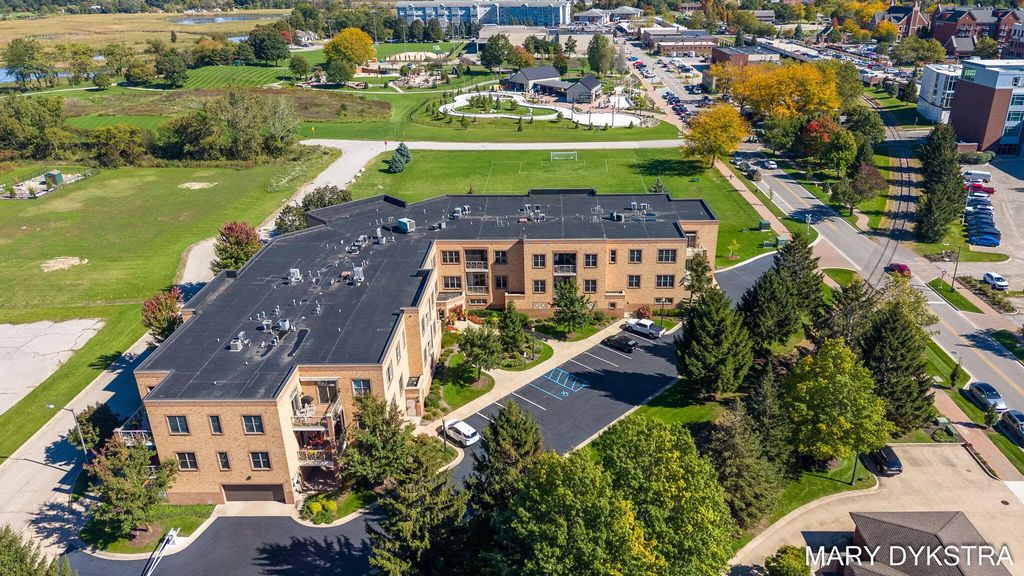
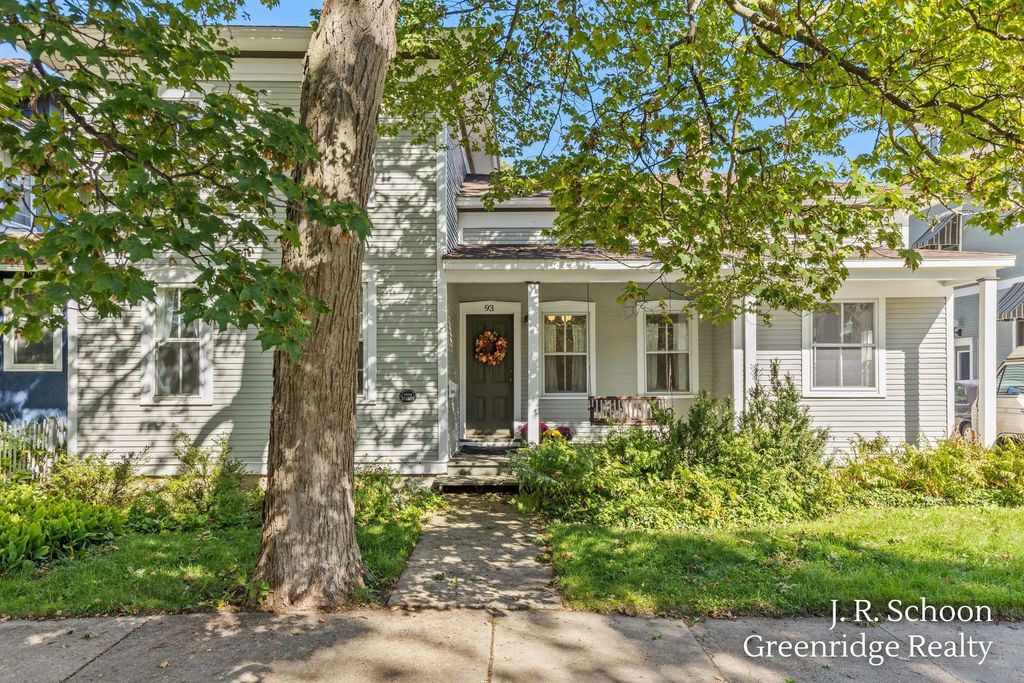
Housing is the largest variable in Holland's cost of living equation. Holland's median sale price was $374,450 over the twelve months ending September 2026. That said, Holland housing is still 9% below the national average by index measures, and the range is broad: entry-level homes start below $300,000 in established neighborhoods, while premium waterfront properties on Lake Macatawa and Lake Michigan exceed $1,000,000 to $3,000,000+.
For renters, Holland's average rent of approximately $1,369 per month for a one-bedroom unit has increased with the broader market but remains below what comparable lakeshore towns command in higher-cost states. To live comfortably as a renter without financial strain, target an income of at least $55,000 annually using the 30% housing ratio guideline.
Utilities in Holland Michigan
Holland's utility costs reflect Michigan's climate reality. Natural gas heating costs peak from December through March, and budget-conscious buyers should plan for monthly utility bills in the $300–$500 range during winter months. Summer cooling costs are notably lower than Michigan's interior markets — Lake Michigan's thermal mass moderates Holland temperatures throughout the summer, reducing air conditioning demand. Average monthly utility bills across all seasons (electricity, heating, water, internet) run approximately $250–$400 for a typical household.
One practical note: Holland Board of Public Works (BPW) is the municipal utility provider for much of Holland proper, and rates are generally competitive. Properties in Park Township and surrounding areas are served by consumer energy and other providers.
Taxes in Holland Michigan
Michigan's flat state income tax rate is 4.25% — there is no city income tax in Holland. The state sales tax is 6% with no local surcharge. Property taxes in Ottawa County are generally reasonable compared to Michigan's other lakeshore communities, though they vary meaningfully by township and municipality. Your real estate agent should provide mill rate information for any specific property you're considering — this is a standard step our team performs on every buyer transaction.
Michigan does not tax Social Security income. Pension and retirement account distributions have partial exemptions depending on birth year.
Groceries, Dining, and Daily Expenses
Holland's grocery costs score among the most affordable in ERI's national index — well below the national average. The city is served by multiple major chains including Meijer, Aldi, Walmart Supercenter, and Whole Foods, along with local farmers markets that operate seasonally with competitively priced local produce. Holland's agricultural setting in Ottawa County means genuinely local produce is available throughout the growing season.
Dining out in Holland ranges from affordable casual options along 8th Street to premium waterfront dining on Lake Macatawa. Holland's culinary scene has developed significantly over the past decade — this is no longer a town where you drive to Grand Rapids for a good meal. Budget dining options are plentiful; expect to pay $12–18 per person for casual dinners and $25–50+ at Holland's better restaurants.
How Holland Compares to Neighboring Communities
Holland's cost of living is higher than Grand Rapids (more accessible housing, lower property values) but lower than Saugatuck and Grand Haven at the premium end. Zeeland, five miles east, has a higher median sale price at $385,000 against Holland’s $374,450 over the twelve months ending September 2026, despite being slightly smaller. For buyers comparing communities, Holland typically represents the best balance of lakeshore access, community amenities, and relative affordability on the West Michigan lakeshore.
Frequently Asked Questions — Holland MI Cost of Living
Is Holland Michigan expensive to live in?
Holland's overall cost of living is 5–7% below the national average (BestPlaces 94.3). Housing is the primary above-average cost — the $374,450 median sale price over the twelve months ending September 2026 reflects lakeshore premium. Groceries, healthcare, and most daily expenses are at or below national averages.
What is the average rent in Holland Michigan?
The average rent in Holland is approximately $1,369 per month for a one-bedroom unit. Two-bedroom units range higher depending on location and amenities. To afford average Holland rent without financial strain, target income of at least $55,000 annually.
What are property taxes like in Holland Michigan?
Ottawa County property taxes are generally reasonable compared to other Michigan lakeside communities. Rates vary by municipality and township — your agent should provide mill rate information for any specific property. Our team includes this in every buyer consultation.
Does Michigan have high income taxes?
Michigan's flat state income tax is 4.25%. There is no city income tax in Holland. Michigan does not tax Social Security income, and pension distributions have partial exemptions depending on age. Michigan's 6% sales tax applies with no local surcharge in Holland.
How does Holland's cost of living compare to Grand Rapids?
Grand Rapids offers lower housing costs (median $320,000 vs. Holland's $374,450) but comparable costs for other categories. Holland carries a lakeshore premium that Grand Rapids doesn't have. For buyers who need Lake Michigan access as a priority, Holland's premium is typically considered worth it.
Homes for Sale in Holland, Michigan
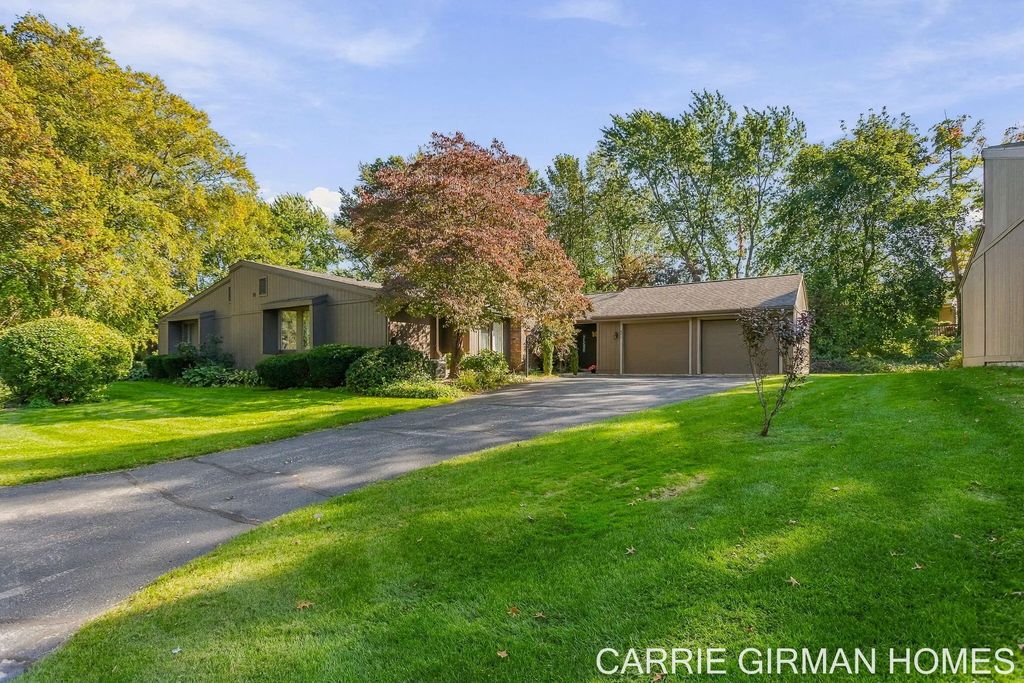
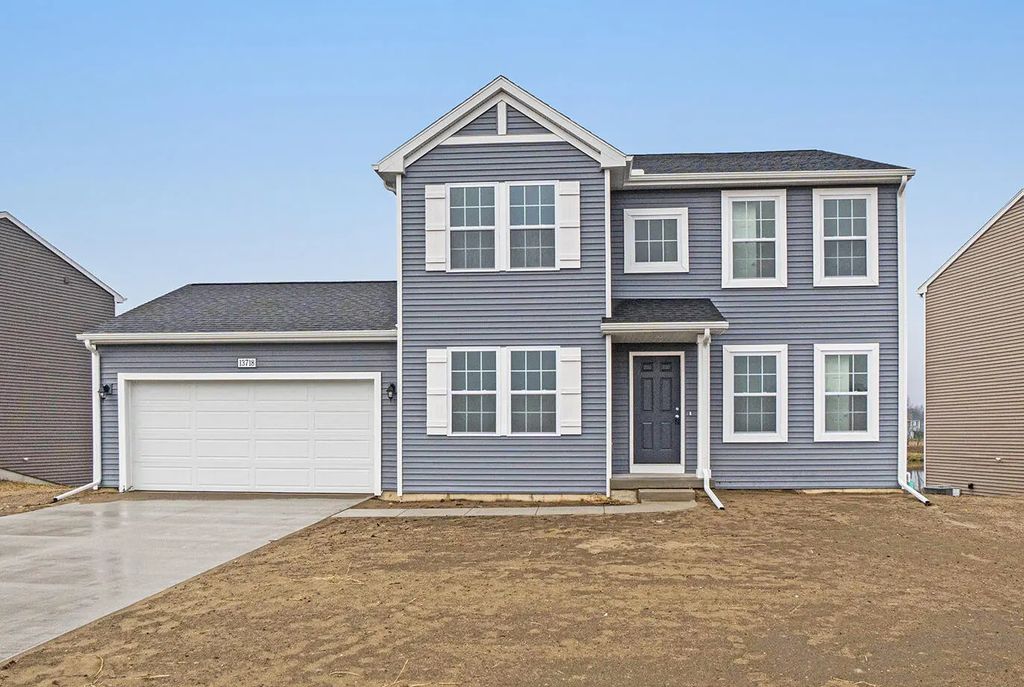
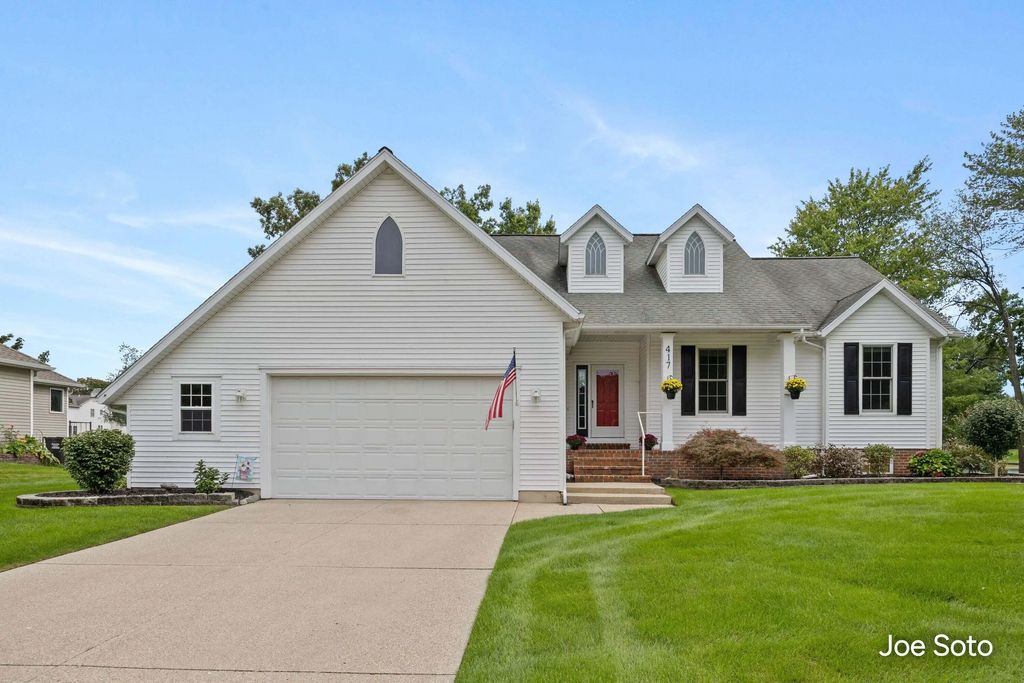
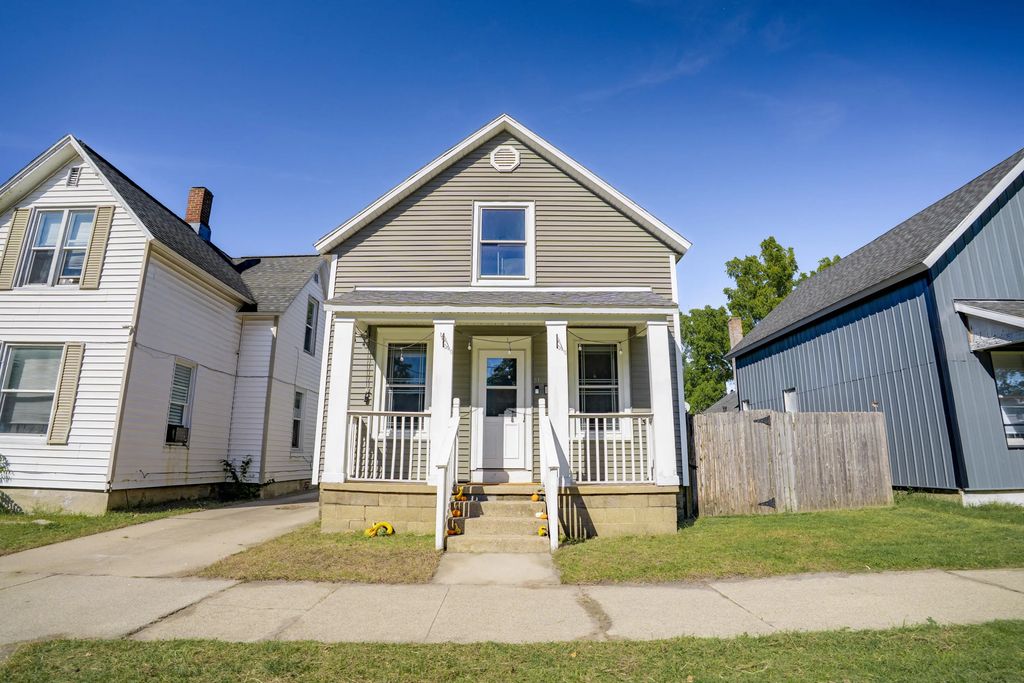
Current listings from the MLS, updated daily.
Holland Michigan Real Estate
- All Listings
- Under $100,000
- $100,000 - $200,000
- $200,000 - $300,000
- $300,000 - $400,000
- $400,000 - $500,000
- $500,000 - $600,000
- $600,000 - $700,000
- $700,000 - $800,000
- $800,000 - $900,000
- $900,000 - $1,000,000
- Over $1,000,000


Planning Your Move to Holland Michigan?
The Luke Bouman Real Estate Team helps hundreds of buyers relocate to Holland and West Michigan every year. Call us early in your process — we'll help you understand the full picture before you make any commitments.
Call or text: (616) 344-9923
References
- BestPlaces.net — Holland MI Cost of Living (2026)
- Salary.com — Cost of Living Holland MI (February 2026)
- ERI SalaryExpert — Holland MI Cost of Living (February 2026)
- Apartments.com — Average Rent Holland MI (2026)
- AreaVibes — Holland MI Cost of Living Index
- Luke Bouman West Michigan Real Estate Market Report 2026